






About Us
Advertise With Us
RSS Feed | Content Syndication
Terms & Conditions
Privacy Policy
Contact Us
BollywoodShaadis.com © 2026, Red Hot Web Gems (I) Pvt Ltd, All Rights Reserved.


Netflix's new survival thriller, Thrash, has left viewers shaken with its terrifying shark-infested deluge. Directed by Tommy Wirkola and produced by Don’t Look Up director Adam McKay, the film has left a lasting impact with its disturbingly plausible central premise. More than just a survival thriller, it's a disaster movie that paints a picture of what coastal life could look like when faced with natural calamities.
The film imagines a hurricane so powerful that it pushes sharks into flooded neighbourhoods, turning homes into literal hunting grounds. While it may sound like an exaggerated dramatisation of Hollywood plots, the final scene of Thrash leaves an unsettling set of possibilities. Experts suggest that the core idea of the film isn't entirely fiction.

The story of Thrash (2026) kicks off with a Category five hurricane hitting a fictional coastal town of Annieville in South Carolina. Beginning with a hurricane warning that gets ignored, the story unfolds as a deluge of water floods the town in no time. At the center of the disaster is 'Lisa Fields' (played by Phoebe Dynevor), a nine-month pregnant woman trapped inside her crashed car. As the storm intensifies and floodwaters rapidly rise, she finds herself unable to escape. The flooding brings deadly sharks inland, leaving Lisa stuck and more vulnerable in a life-threatening situation.
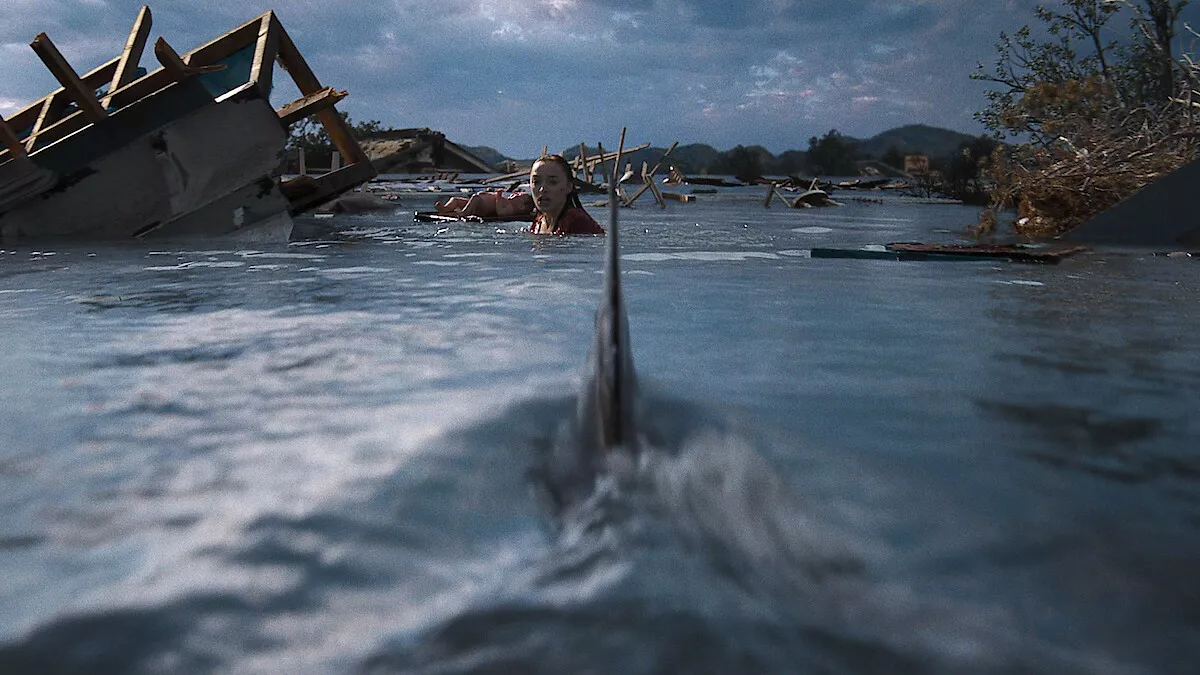
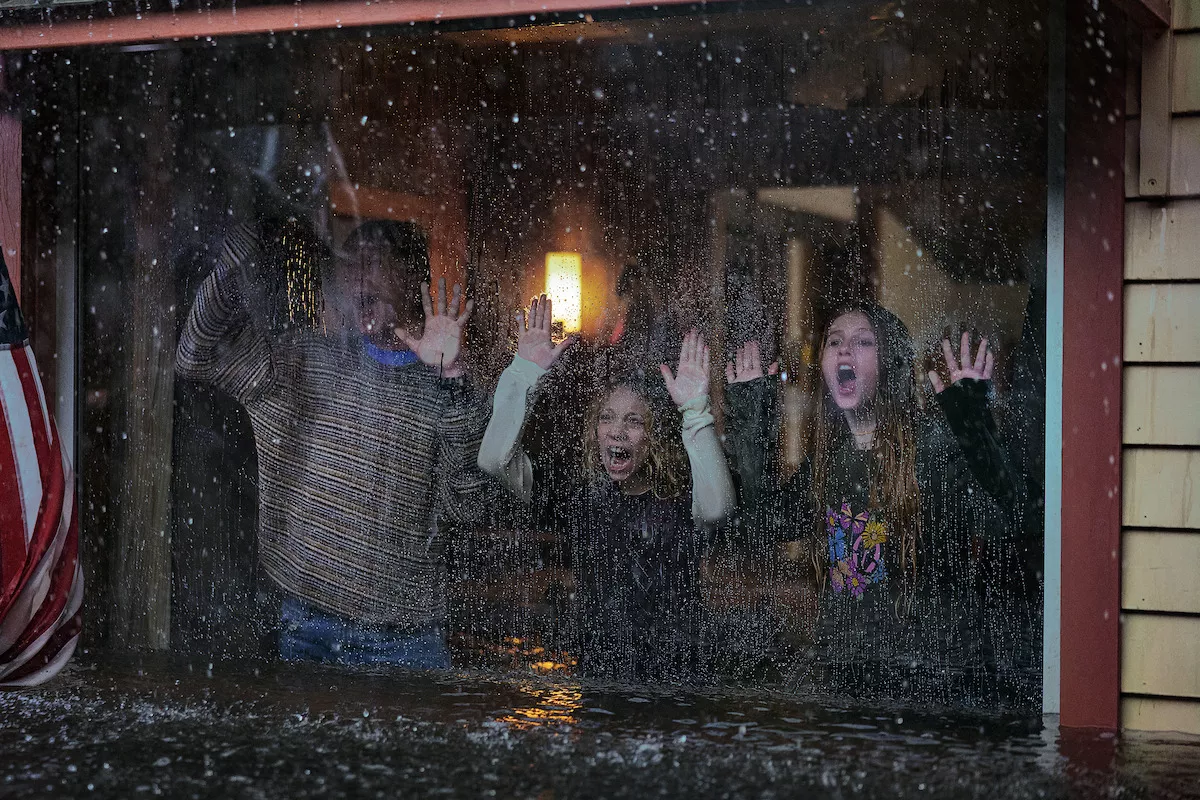
With the storm growing more and more violent, each character's storyline becomes intense, though Lisa becomes the emotional core of the film. Heavily pregnant with nowhere to go, she has to stay alive while also preparing to give birth with the help of 'Dakota Edwards' (Whitney Peak). As the climax approaches, Lisa goes into labour, still surrounded by the rising water and deadly sharks. Meanwhile, the Olsen siblings trapped inside their flooded home attempt a final escape, but it is never revealed whether they survive.
Unlike most Hollywood survival thrillers, Thrash does not deliver a typical happy ending where the threat is defeated, and the storm has passed. Instead, it leans into a more realistic plot, where the characters simply try to survive the shark manifestation. The most moving moment comes with Lisa successfully delivering the baby with Dakota's help.
Continue reading below
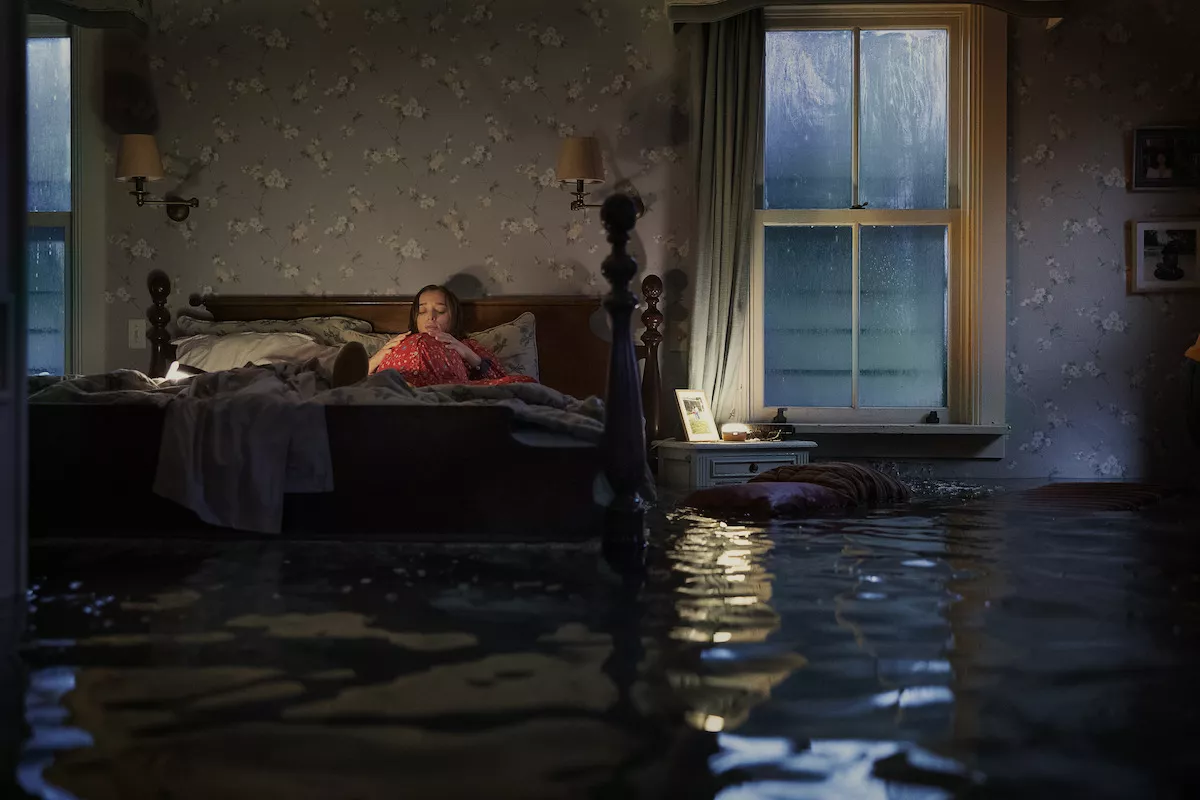
At the end of the film, it's clear that the characters are as human as ordinary people, and survival, not heroic victory, is the ultimate goal. In the brief aftermath, we see Dakota's uncle, Marine researcher 'Dr. Dale Edwards' (Djimon Hounsou), suggesting that such events could happen again.
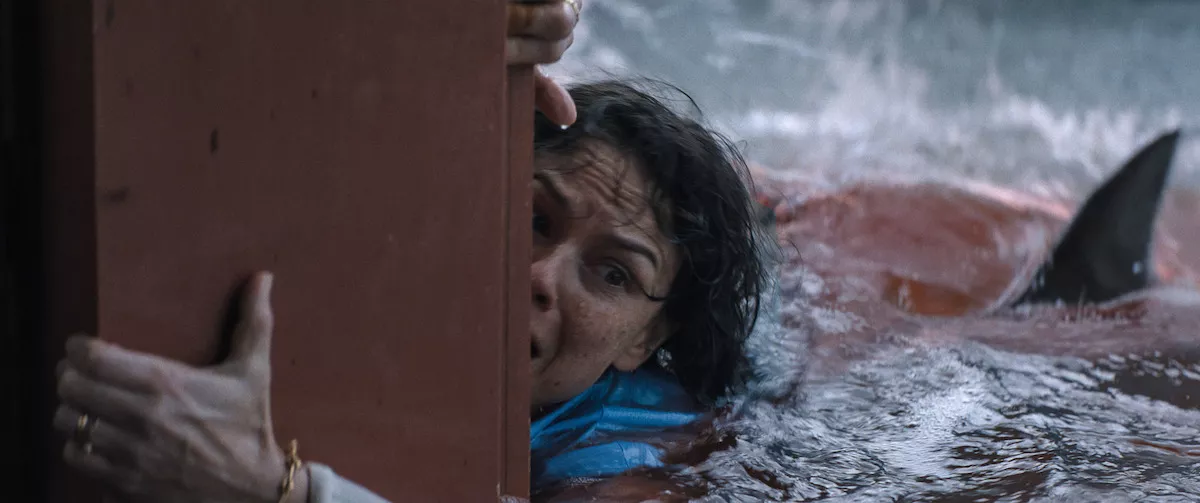
While the movie itself is not directly based on a real-life event, its premise is not only plausible, but similar instances have already happened in real life, though not so dramatically. The science behind Thrash centres on bull sharks, creatures known for their ability to survive in saltwater as well as freshwater. This means that they can travel far inland through rivers, estuaries, and even floodwaters. During severe calamities like the one shown in the film, the rising sea levels and storm surges can carry marine life, including these deadly creatures, into urban areas.
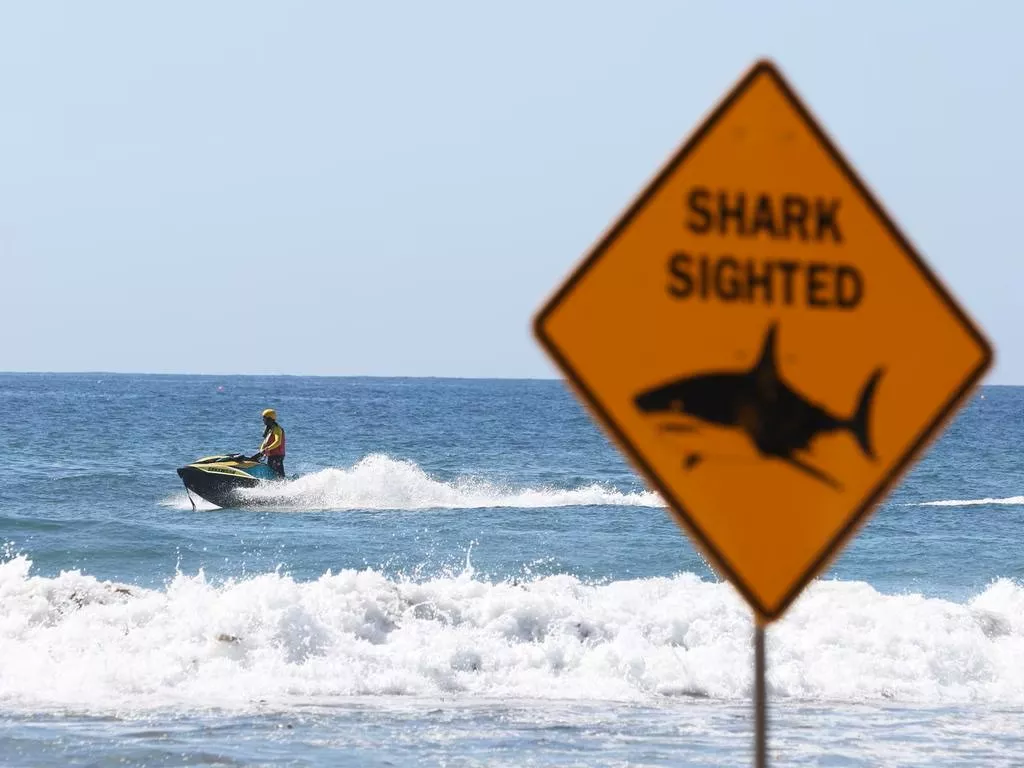
While the concept seems far-fetched, there have actually been real-world cases of shark infestation during major floods in places like Australia. Just over a month ago, a similar situation happened in Sydney, where heavy rainfall and flash floods raised warnings that the conditions could be perfect for bull shark attacks. Shark Smart NSW said at that time:
"Heavy rain can also flush nutrients, fish, and bull sharks out of rivers and estuaries and may result in more bull shark activity along our beaches... Murky waters after heavy rain can make conditions ideal for ambush predators. This may increase your chance of encountering a shark."
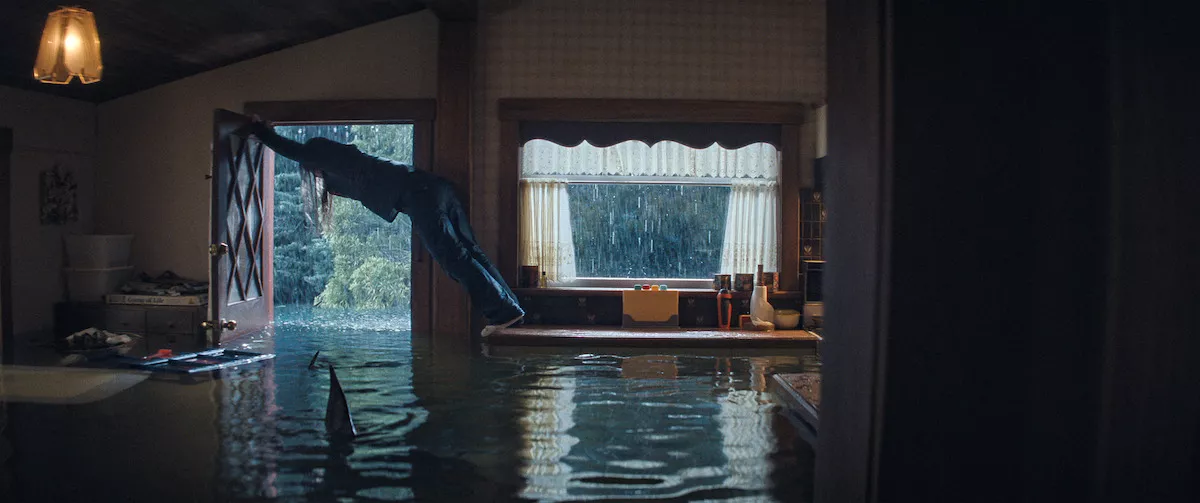
Speaking to Netflix Tudum, producer Adam McKay said that the possibility of bull shark infestation has "now become much more of a reality," given the changing climate situations. While the story is set in a fictional town, more than 24 hours of flooding in the coastal areas can increase the chances of such situations. McKay mentioned an incident where four shark attacks were recorded in 48 hours. He said:
"You saw down in Australia, they had torrential, historic, climate-fueled floods, and the floods kicked a bunch of dirty water into the ocean. Bull sharks love dirty water to hunt. So they had four shark attacks in a 48-hour period because of the turgid water."
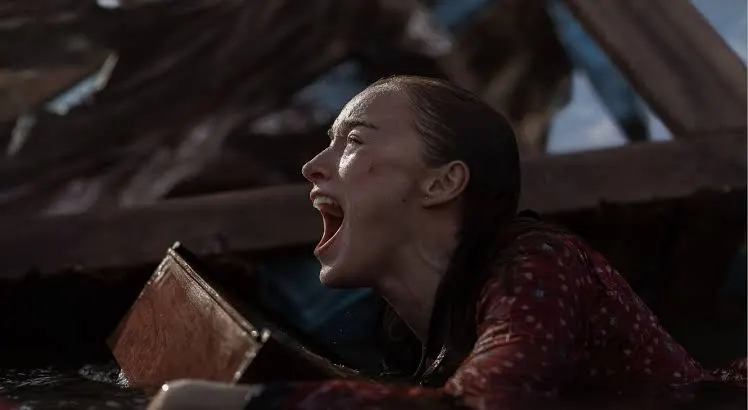
Experts have also weighed in on the film's premise, agreeing that the ideal combination of strong hurricanes and flooding around estuaries can indeed make land the perfect hunting ground for these marine predators. NWS meteorologist Joe Merchant told Tudum:
"It’s the right combination for a strong hurricane making landfall, and also having a lot of sharks and a lot of estuaries that feed inland.”
Though rare, the premise of Thrash isn't impossible. Under the right conditions, with climate change and increasingly intense hurricanes added to the mix, scenarios like this begin to feel less far-fetched.
Read Next: Reid Wiseman Lost His Mother Only A Month Before His Wife's Death, Dad Was Diagnosed With Cancer
advertisement
advertisement
advertisement