




About Us
Advertise With Us
RSS Feed | Content Syndication
Terms & Conditions
Privacy Policy
Contact Us
BollywoodShaadis.com © 2026, Red Hot Web Gems (I) Pvt Ltd, All Rights Reserved.

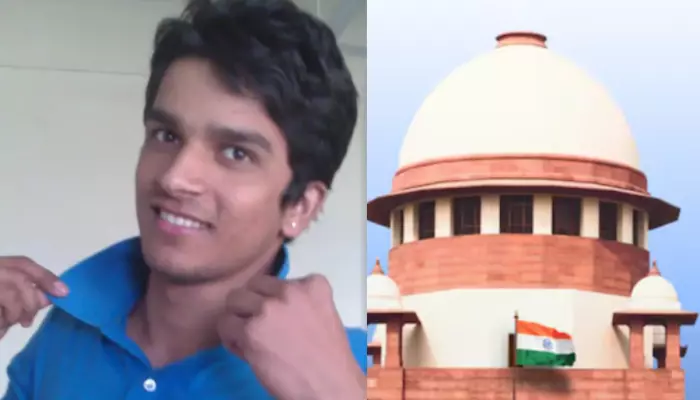
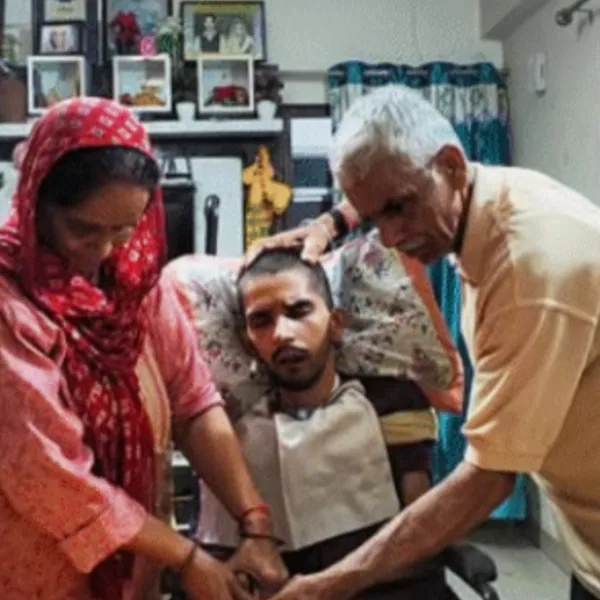
For Harish Rana and his family, time had been frozen for 13 years. Since 2013, the resident of Delhi, Harish Rana, has been in a vegetative state because of a tragic accident. He has been dependent on tubes for his nutrition and breathing. The Supreme Court announced a historic verdict of allowing passive euthanasia for 32-year-old Harish Rana.
Harish Rana's family was torn between hope and despair after seeing their son in a vegetative state for more than a decade. Harish's case has become the focal point of a landmark ruling, as for the first time the Supreme Court ordered passive euthanasia. Harish now has the right to die with dignity and has freedom from his slow and painful life.
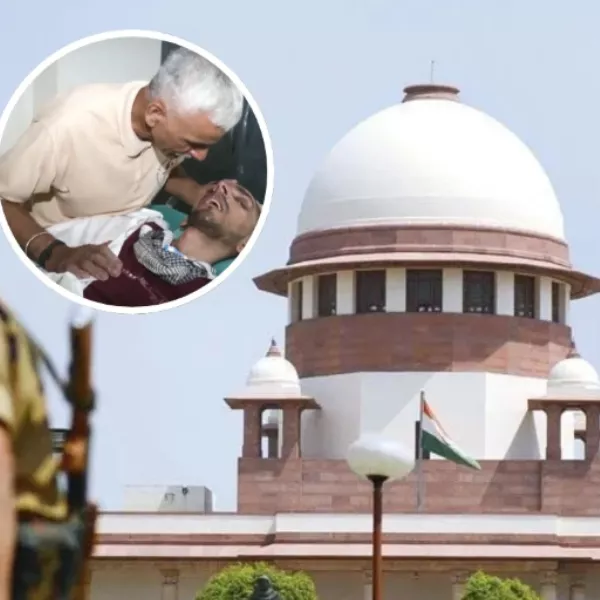
A report by the Economic Times revealed that Harish Rana was a student of the Panjab University. Well, it was in 2013 that Harish Rana fell from the fourth floor of his paying-guest accommodation. The incident had taken place on August 20, 2013, when the entire world of the Ranas changed. Harish Rana was studying civil engineering. Harish suffered serious head injuries and has been in a comatose state for more than a decade.
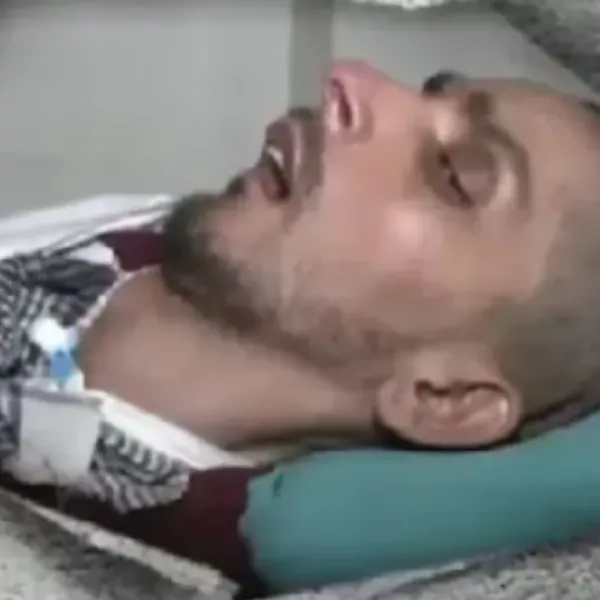
He has been on life support, bedridden and has been relying on a tracheostomy tube for breathing support. A gastrojejunostomy tube is there for feeding. Harish Rana faced 100% disability, quadriplegia and has been requiring everyday medical assistance for his feeding, breathing and also daily care.
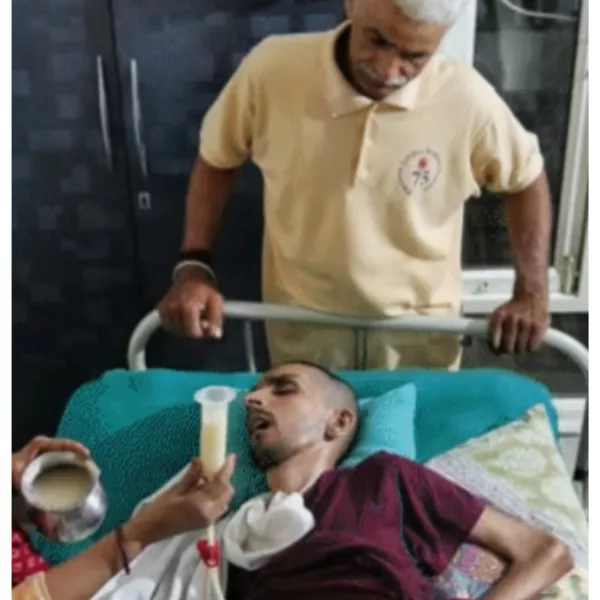
Harish Rana developed quadriplegia, which means that he cannot move his limbs and has no response to external stimuli. He requires constant medical care for bodily functions. Harish Rana's doctors confirmed that his condition was not at all reversible and that his recovery chances were next to negligible. Doctors repeatedly confirmed that his condition was irreversible and that the chances of recovery were negligible.
Continue reading below
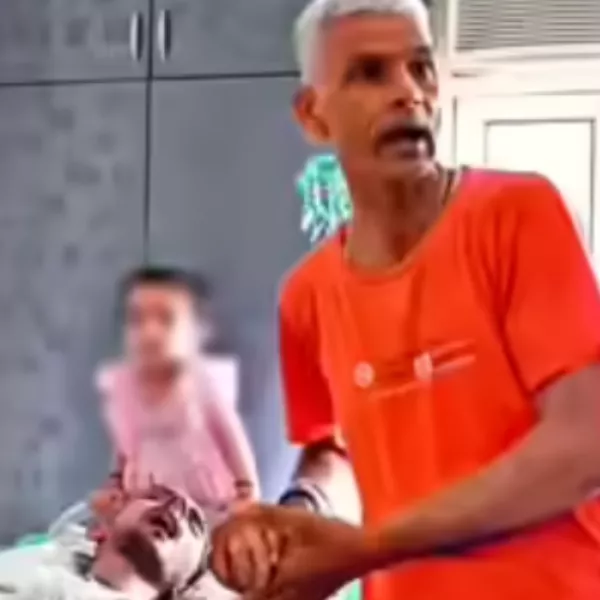
As the years passed, Rana’s life became limited to hospital rooms and home-based medical care, requiring constant nursing and physiotherapy. Harish Rana has not even been able to open his eyes, and the world of the Rana's has come to a halt at the hospital.
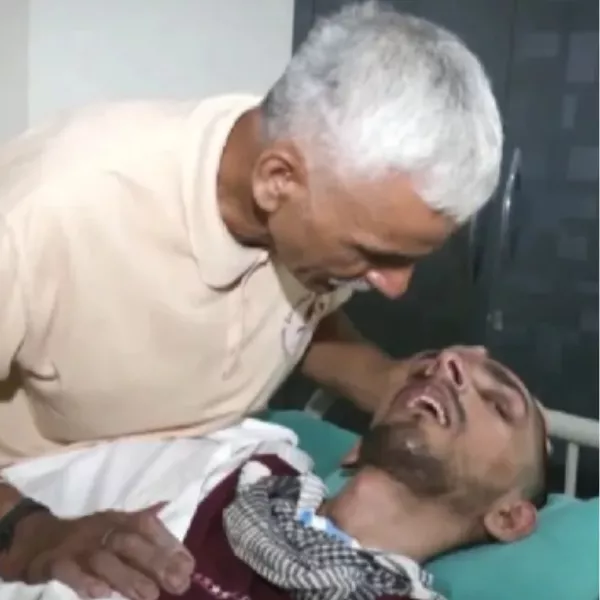
Harish Rana's parents' world came crashing down when they saw their young son being assisted nutritionally, with feeding tubes, in a comatose state, and being supported by respiratory tubes. Harish Rana's family's financial condition worsened when they had to sell their house in Delhi's Mahavir Enclave and relocate to Ghaziabad. Rana's father had to cover the expensive cost of Harish's medical expenses.
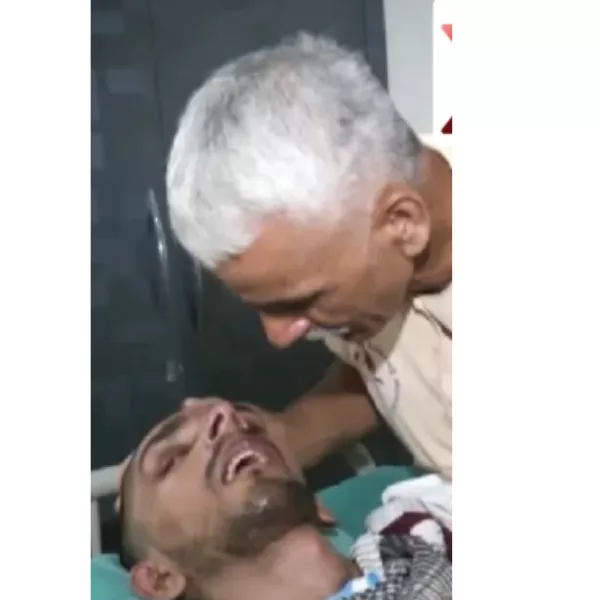
Harish Rana's parents had to make ends meet while looking after all the nursing and physiotherapy sessions for their son. Emotionally, Harish's parents were drained, and they had to accept the reality that the permanent neurological damage would never allow their son to lead a normal life.
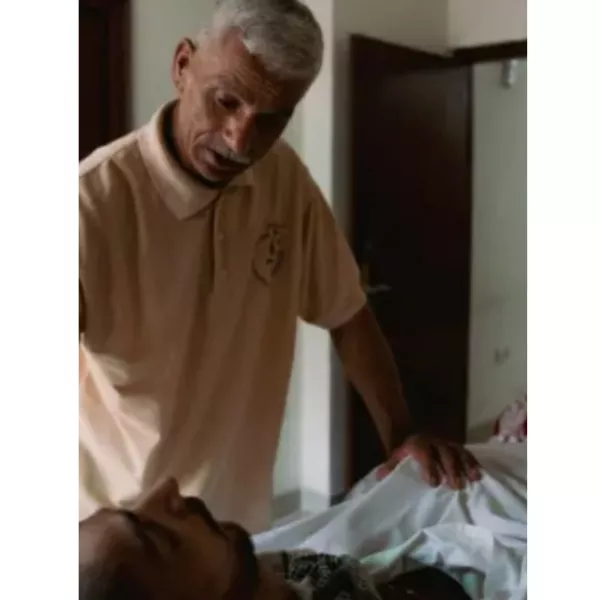
For Harish Rana's parents, the decision to reach the Supreme Court to take permission for passive euthanasia for their son was not easy. In passive euthanasia, life-sustaining medical aids like ventilators, feeding tubes, or antibiotics are withdrawn so that the terminally ill patient or someone in a persistent vegetative state can die naturally.
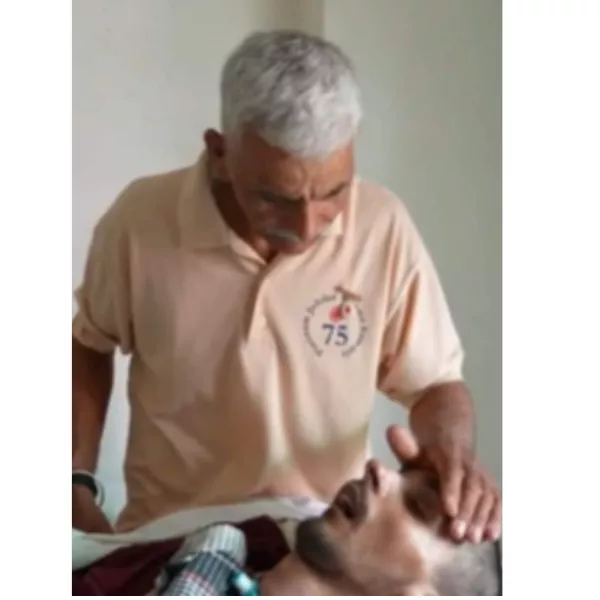
The case did reach the Supreme Court, and a medical board was formed. The court examined that Harish Rana has been in a persistent vegetative state, and recovery was impossible. The bench comprised Justice J.B. Pardiwala, along with K.V. Vishwanathan, who delivered the historic judgment on March 11, 2026. It read:
"Harish Rana was once a bright young 20-year-old boy pursuing education at Punjab University when he had a fall from the fourth floor of a building and sustained brain injuries. Harish was discharged, but a brain injury left him in a persistent vegetative state. He experiences a sleep-wake cycle and is dependent on others. The medical report shows no improvement in 13 years."

The Supreme Court, in its judgment related to Harish Rana's passive euthanasia case, stated that the role of a doctor is to treat the patient. However, that duty no longer sustains when the patient has no hope of recovery. The Supreme Court has directed that Harish Rana needs to be admitted to AIIMS, where the doctors would withdraw life support in a medically supervised and humane manner. The bench further noted:
"AIIMS must ensure that such withdrawal and or withholding is carried out through a robust, palliative, and end-of-life care plan which is specifically tailored to manage symptoms without causing any discomfort to the applicant and ensuring that his dignity is preserved to the highest degree."
What are your views about the Harish Rana case?
Also Read: Who's Luka Doncic's Ex-Fiancee, Anamaria Goltes? Meet The Slovenian Model Amid Split And Custody Row
advertisement
advertisement
advertisement